Day 1: Arrival in Kathmandu
You will be thrilled watching panoramic flying into Kathmandu with the views of snow-capped Himalayan peaks sprawling down; you will already get excited to explore the country. Selected Tour and Travel representative will meet you at the airport terminal and transfer you to your reserved hotel.
Overnight at the hotel in Kathmandu
Day 2: From Kathmandu to Nagarkot | Breakfast
Our guide comes to your hotel to pick you up with transportation. As soon as you take your breakfast, your day sightseeing begins, you will be visiting two major landmarks in Kathmandu – Pashupatinath and Boudhanath.
We drive to Boudhanath Stupa. This Stupa has been renovated after the Earthquake in 2015 as this was also impacted. The Boudhanath Stupa is the world’s biggest stupa and represents Tibetan Buddhists culture in Nepal. There are antique shops around these stupas where you can buy cultural products of your preferences. After a visit to Boudhanath, you will be transferred to the Pashupatinath Temple, which is located on the bank of the Bagmati River. It is a sacred temple for Hindus as many people from different parts of the world visit tit every day. During the Shiva Ratri, hundreds of thousands of devotees and sadhus come to worship Lord Shiva.
After lunch, you will visit Bhaktapur Durbar Square – the most attractive palace area of ancient Nepal.
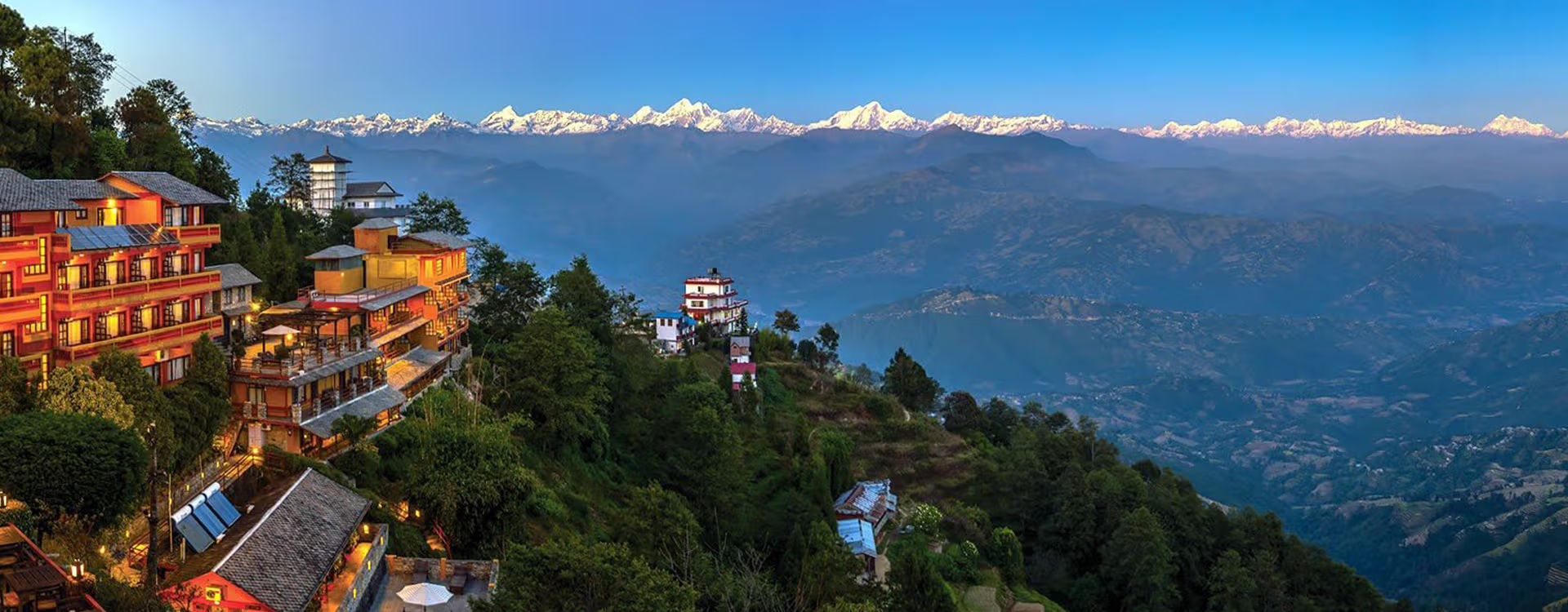
Then we will drive to Nagarkot (2175 m). where you can watch sunset, and colourful snow maountains.
Overnight at the hotel in Nagarkot.
Day 3: Drive from Nagarkot to Kathmandu, Fly to Bhutan | AP Plan
You will get up early in the morning, enjoy the sunrise and first sunrays reflect over the snow mountains.
After breakfast early in the morning, you will go to airport and fly to Paro, Bhutan.
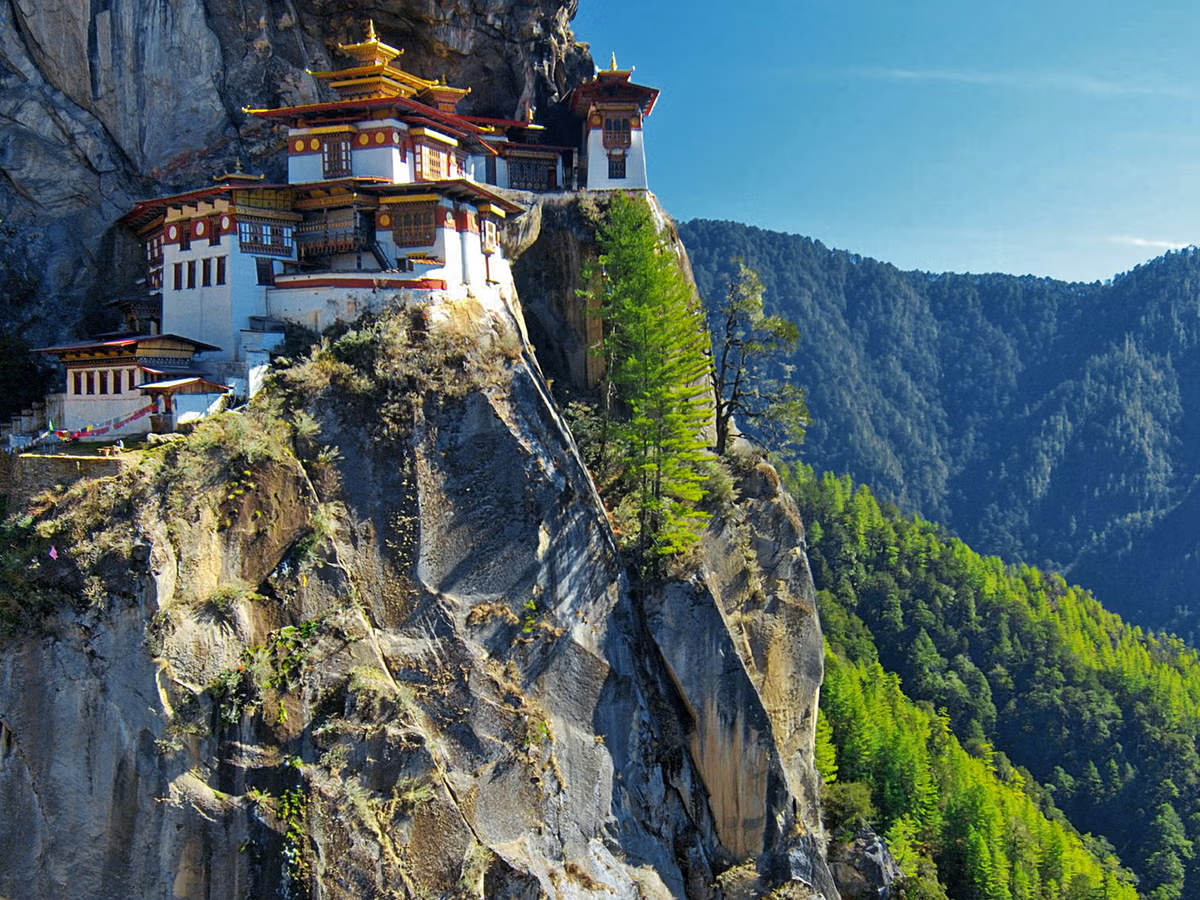
On a clear day, the flight to Paro is one of the most spectacular of all mountain flights. On arrival at the airport, after immigration and custom formalities, you will be received by our representative. Enjoy the beautiful sceneries on the way and check into the hotel on arrival at Thimphu.
Memorial Chorten: The stupa built in the memory of Bhutan’s third king, His Late Majesty, the King Jigme Dorji Wangchuk, who is popularly regarded as Father of modern Bhutan. The paintings and statues inside the monument provide a deep insight into Buddhist philosophy.
Later, explore the Thimphu main street.
Dinner and rest at the hotel.
Day 04: Thimphu Sightseeing
After breakfast, proceed for the guided tour of city’s main attractions that includes:
Drive to visit the Buddha Point (Kuensel Phodrang). Located a short drive away from Thimphu city centre, visitors can get a panoramic view of the Thimphu valley from here. Attraction: Buddha Dordenma Statue, Simthokha Dzong and view of Thimphu city.
Bhutan Museum: The newly commissioned museum depicts the ancient Bhutanese architecture which is being lost to modernization. The uniqueness of the structure is in its composition of the materials used. The structure is built reusing old timber, window and door frames and other items from traditional and old demolished houses. The best part is the portrayal of the age-old life styles of the Bhutanese people. You can also try Bhutanese national dress at this place.
Lunch followed by city tour that includes:
Textile Museum: is worth a visit to get to know the living national art of weaving. Exhibitions introduce the major weaving techniques, styles of local dress and textiles made by women and men.
Later, visit the Craft Bazaar This enterprise displays a wide range of alluring hand-woven textiles and craft products. The handicraft of Bhutan plays a key role in maintaining the country’s unique culture and tradition and also adds value to the Bhutan tourism industry.
Visit Tashichhodzong, “fortress of the glorious religion”. This is the center of government and religion, site of monarch’s throne room and seat of Je Khenpo or Chief Abbot. Built in 1641 by the political and religious unifier of Bhutan, Zhabdrung Ngawang Namgyal, it was reconstructed in 1960s in traditional Bhutanese manner, without nails or architectural plans.
Rest at the hotel.
Day 5: Thimphu – Punakha sightseeing
After breakfast drive to Dochula Pass and enjoy the beautiful landscapes of the 108 Druk Wangyal Chortens.
Excursion to Chimi Lhakhang: The Chimi Lhakhang is situated on a hillock in the centre of the valley, also known as the temple of fertility. Walk through the village near the temple along the way enjoy the breath taking sceneries.
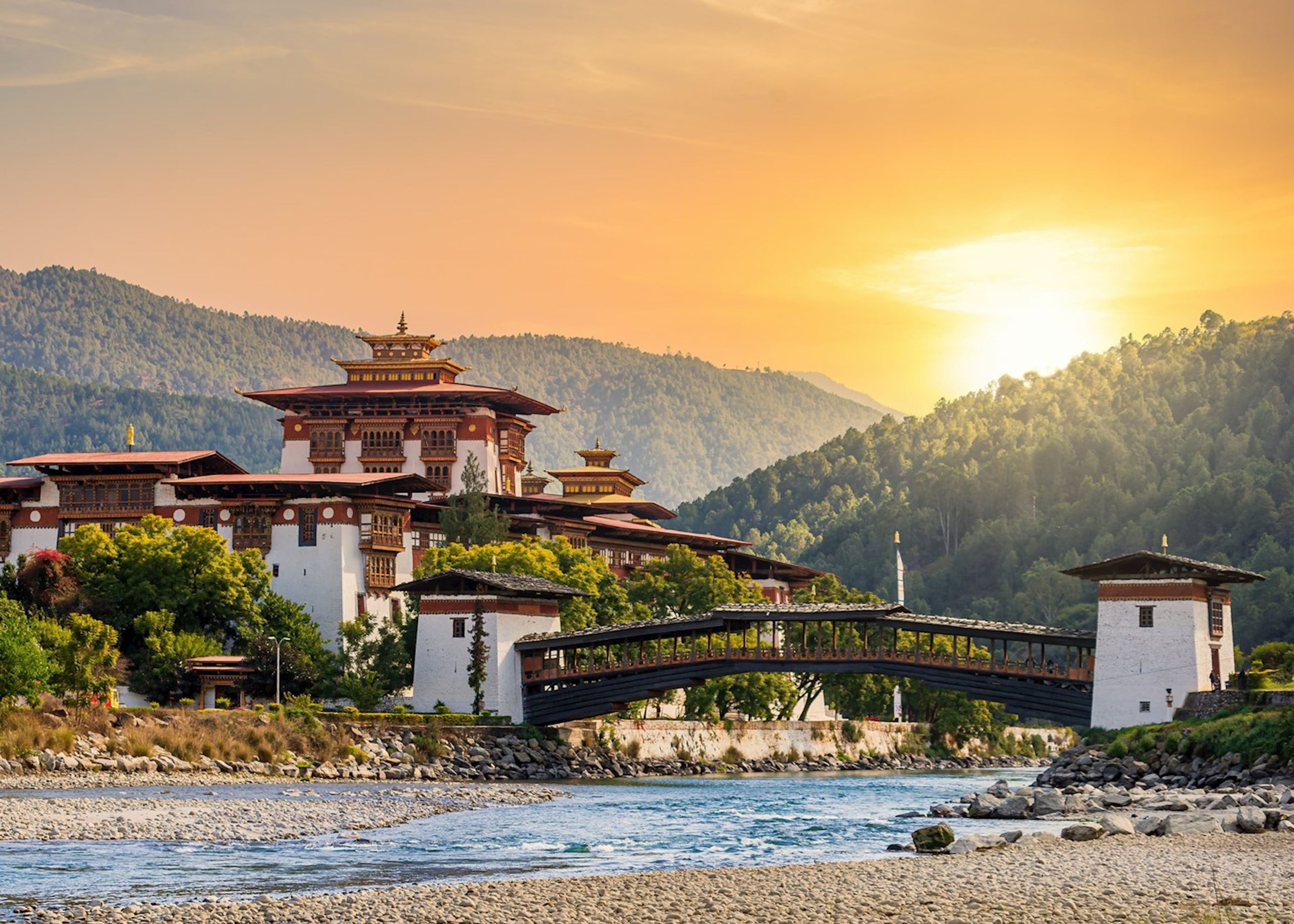
Visit, Punakha Dzong, built strategically at the junction of Pho Chhu and Mo Chhu rivers in 1637, by ShabdrungNgawangNamgyal to serve as the religious and administrative center of the region.
Later, visit the Suspension bridge, which is always adorned with colourful prayer flags, is the perfect example of this. Linking Punakha Dzong to Shengana, Samdingkha, and Wangkha villages across the Tsang Chu River (also named as Po Chu), this is one of the longest suspension bridges in Bhutan. Yet, for a roughly 520-foot-long suspension bridge, it’s surprisingly stable. The bridge offers a spectacular view of the river and valley, and the east bank is a good starting point for multi-day treks in the nearby mountains.
Check into the hotel and rest.
Day 6: Punakha Sightseeing and return to Paro
After breakfast, proceed for an adventurous excursion:
Khamsum Yuelley Namgyal Chorten; Hike to Khamsum Yuelley Namgyal Chorten. Standing regally on the hill above the Punakha valley, this Chorten is a classic example of gorgeous traditions and architecture of Bhutan. It was built by the Queen Mother for heading off the negative forces and transportation peace and harmony for all the living beings. The thing that sets this Chorten apart is that it was designed on the principals delineate within the Holy Scriptures instead of trendy engineering manuals. The golden spire and labyrinthine wall patterns square measure fine example of art and traditions of Bhutan. (2 Hrs.)
Post lunch, visit Sangchhen Dorji Lhuendrup Lhakhang Nunnery: Perched on a ridge amid pine trees and overlooking valleys of Punakha and Wangdue Phodrang, gleams the magnificent structures of Sangchhen Dorji Lhuendrup Lhakhang (Temple). The temple houses a 14-foot main bronze statue of Avalokiteshvara (Chenrigzig chagtong chentong). One of the biggest in the country was the handiwork of entirely local Bhutanese artisans. The temple complex also houses a permanent higher learning centre for nuns where, apart from religious trainings, it provides life skill training such as tailoring, embroidery, statue making and thangka painting. You can also get interacted with the nuns and learn their daily routine in the nunnery.
Drive to Paro.
Overnight at a hotel in Paro.
Day 07: Fly to Kathmandu
After early breakfast at the hotel, drive to the airport for a flight to Kathmandu. Our representative will explain the exit formalities and then bid you farewell.
You will be received at Kathmandu Airport.
On the way you will visit Patan Durbar Square, including its museum.
Then the trip takes you to Swoyambhunath also known as the Monkey Temple – a 2500 years old landmark; it is said to be, the Radiant Lotus of the Valley-Mythology, established when the water was drained by Manjushree, the God of Wisdom. This temple is a famous pilgrimage site for Buddhists and is located on a beautiful hill inside Kathmandu Valley. It is situated on top of a hill that could be observed from almost every part of the Kathmandu Valley. The tourists call this Stupa ‘Monkey Temple’ as there are many monkey monkeys living around the Place.
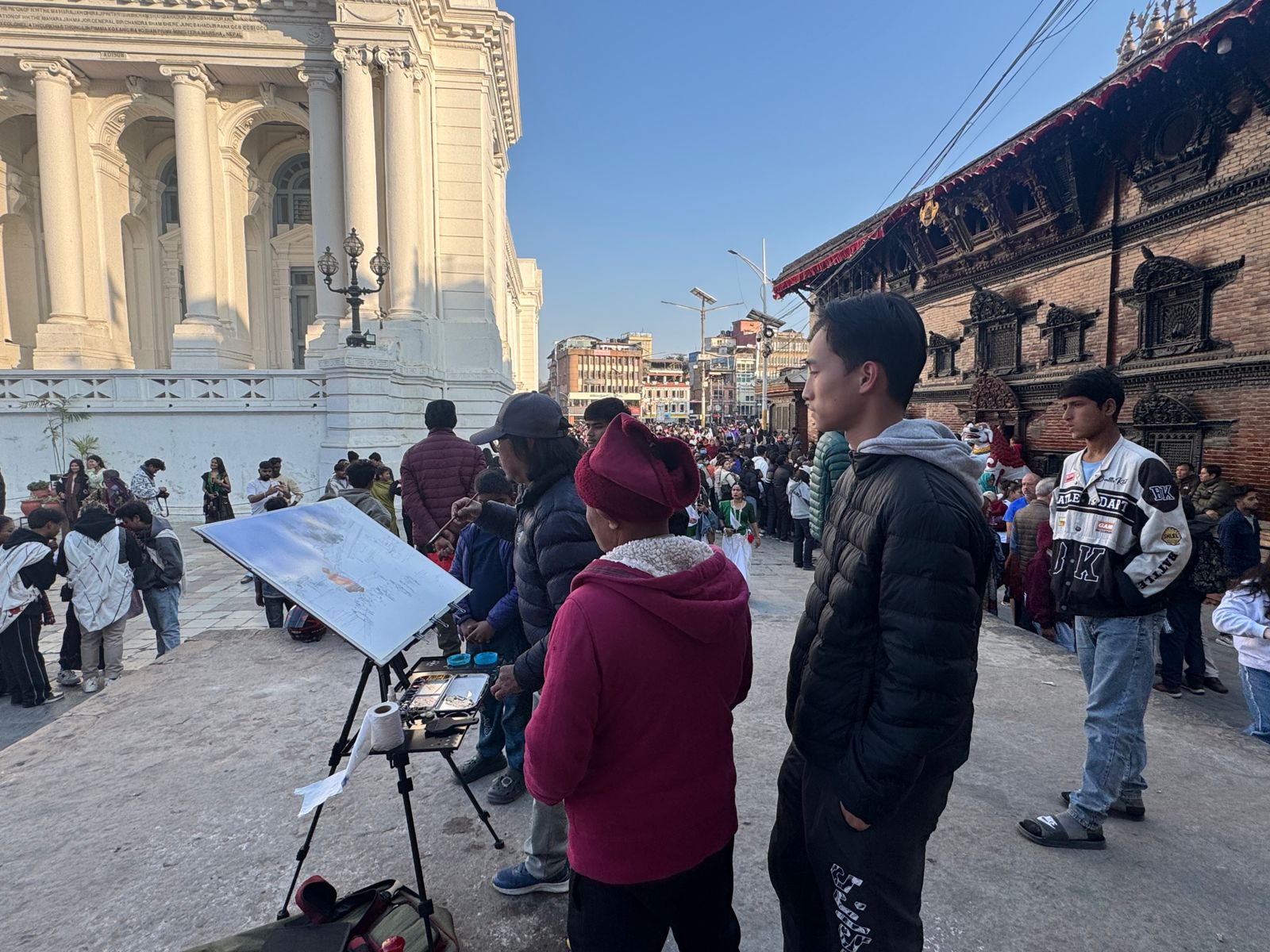
The last site of this day is Kathmandu Durbar Square, Hanuman Dhoka, the ancient Royal residential quarter, Mahadev Parvati Temple, Temple house of Kumari (Living Goddess) around this Durbar Square. Walk around the local bazaar and back to the hotel.
Overnight at the hotel in Kathmandu.
Day 8: Transfer to the airport for final departure | Breakfast
This is the end of your day in Nepal; you will be transferred to the airport for your final departure to your onward destination or home.